Larache
Where Andalusia Meets the Atlantic — A Poet's City on the Loukkos
About Larache
Welcome to Larache
Larache (Arabic: العرائش, al-'Arāʾish) is one of northern Morocco's most undervisited and most rewarding small cities. Sitting on a low promontory above the Loukkos River estuary and the Atlantic, it is a city of overlapping architectural and cultural layers: an ancient Phoenician and Roman past (the ruins of Lixus stand on the hill opposite the city), an Andalusian medina, a Spanish Protectorate colonial centre, and a contemporary Moroccan coastal town that has largely escaped the tourist infrastructure of Tangier and Asilah.
The city has a literary and artistic reputation that goes beyond its modest size. The French playwright and novelist Jean Genet — author of The Balcony, Notre-Dame des Fleurs, and The Thief's Journal — spent his final years in Larache and died here in 1986. He is buried in the Spanish Christian cemetery above the city, and a small but steady stream of literary pilgrims continues to visit his grave.
Why Visit Larache?
- Lixus ruins: One of Morocco's most important Phoenician and Roman sites, directly opposite the city across the Loukkos — theatre, fish-salting facilities, and mosaic floors
- Qasbah of the Storks: The 17th-century Portuguese/Alaouite kasbah above the estuary, with nesting white storks and panoramic views
- Medina and Spanish colonial centre: One of northern Morocco's most architecturally layered urban environments
- Jean Genet's grave: A pilgrimage site for fans of 20th-century European literature
- Atlantic beaches: Long, uncrowded beaches north and south of the city
Quick Info
Location
Morocco
Attractions
25 places to visit
Average Rating
4.2 / 5
Best Time to Visit
April - June, September - November (mild spring and autumn; beach season July - August)
Population
125,008
Region
Tanger-Tétouan-Al Hoceïma
Phoenicians to French Writers: Three Thousand Years on the Loukkos
Lixus: Phoenician and Roman Foundation
The hill across the Loukkos from modern Larache was the site of one of the ancient world's most enduring settlements. Lixus was founded by Phoenician traders, possibly as early as the 12th century BCE — one of the oldest known Phoenician settlements in the western Mediterranean. Under Roman rule it became a significant city with a theatre, forum, baths, and a major garum (fish sauce) production industry using Atlantic tuna. The city's exceptional longevity and Phoenician origin gave rise to legends connecting it with the Garden of the Hesperides and the labours of Hercules.
Medieval Andalusian Settlement
The present city of Larache developed as a significant Atlantic port for the Amazigh and Andalusian-influenced societies of northern Morocco. The medina's layout reflects Andalusian urban patterns introduced by refugees from the Iberian Peninsula.
European Rivalry and the Kasbah
Larache was the site of contested European colonial interest. The Portuguese occupied and briefly held the settlement in the 16th century. The Qasbah of the Storks — the substantial fortress still visible above the city — was built in its current form under the Saadian sultan Moulay Zidan and subsequently reinforced under Moulay Ismail.
Spanish Protectorate (1912–1956)
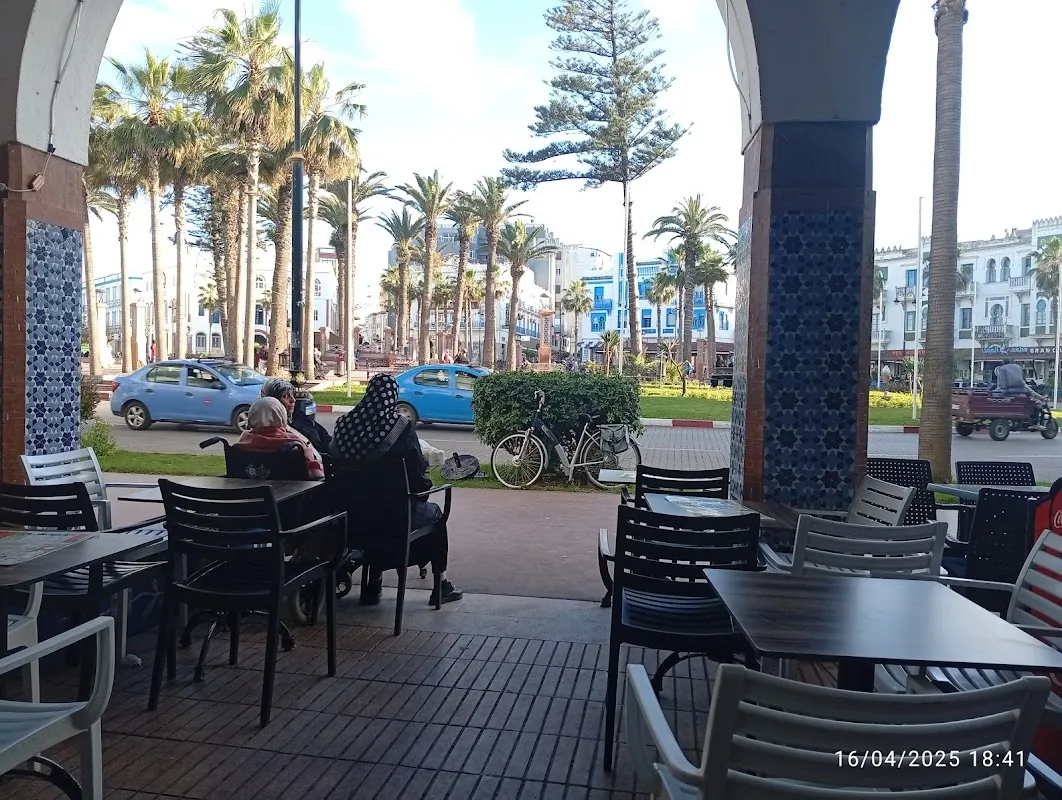
Under the 1912 Treaty of Fes, Larache fell within the Spanish Zone of Morocco and was administered by Spain until Moroccan independence in 1956. The Spanish colonial period left a substantial architectural legacy: arcaded central squares, administrative buildings in Moorish Revival style, and a street layout that retains a distinctly Iberian character in the new town. Spanish remains widely spoken in Larache, distinguishing it from the French-dominant cities of southern Morocco.
Things to Do in Larache
Explore top-rated attractions, cultural landmarks, and local activities