Casablanca
Morocco's Economic Capital on the Atlantic Coast
About Casablanca
Welcome to Casablanca
Casablanca — known in Arabic as Dar el-Beida, meaning "The White House" — is Morocco's largest city and the powerhouse of its economy. Home to approximately 4 million residents, it generates more than 60% of Morocco's industrial output and handles the majority of the country's foreign trade through the Port of Casablanca, one of the largest artificial ports in the world.
Despite its modern reputation, Casablanca has deep historical roots. The site of the ancient Amazigh city of Anfa dates back at least to the 7th century. After centuries of trade, Portuguese occupation in the 15th century, and a devastating earthquake in 1755, the city was rebuilt and renamed by Sultan Mohammed III. Its modern transformation began under the French Protectorate (1912–1956), when sweeping Art Deco and Mauresque boulevards were laid out — a remarkable architectural legacy still visible today.
Why Visit Casablanca?
- Hassan II Mosque: One of the world's most magnificent mosques, open to non-Muslims via guided tours
- Art Deco Architecture: One of the finest concentrations of Art Deco buildings outside Europe
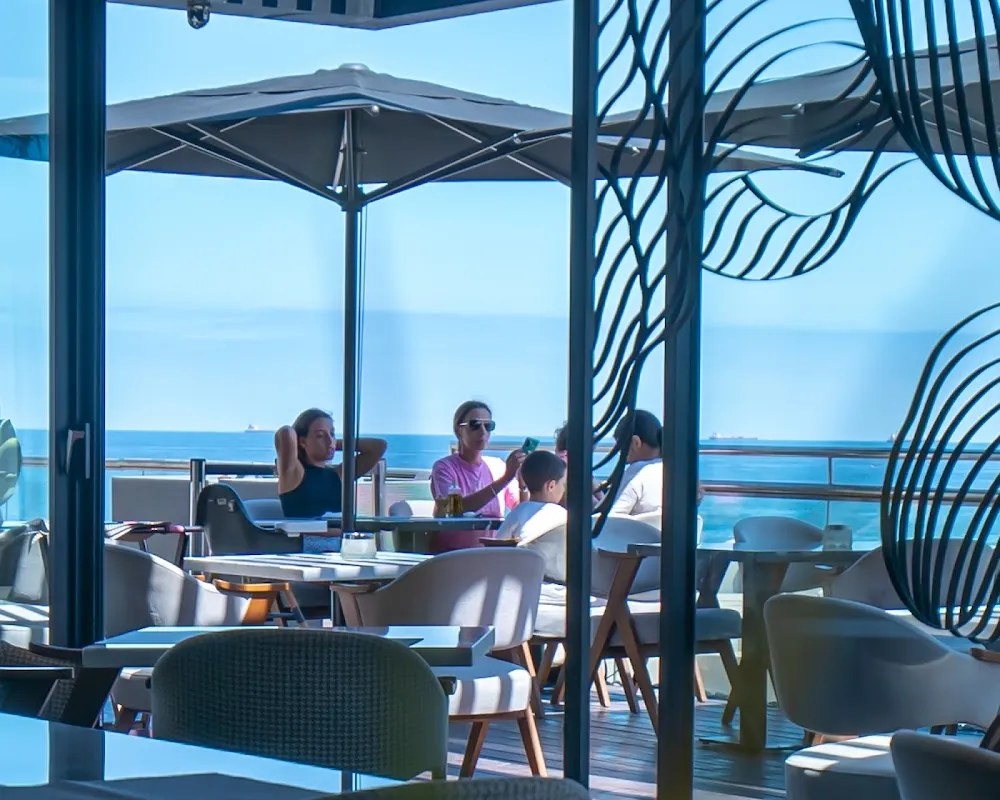
- The Corniche: A lively oceanfront boulevard with beach clubs, seafood restaurants, and Atlantic views
- Authentic Urban Morocco: Less touristic than Marrakech — experience everyday Moroccan city life
- Habous Quarter: A beautifully planned 1930s "New Medina" blending traditional Moroccan architecture with French urban planning
- Excellent Transport Hub: A base for day trips to Rabat (45 min by Al Boraq TGV), El Jadida, and Azemmour
Quick Info
Location
Morocco
Attractions
75 places to visit
Average Rating
4.3 / 5
Best Time to Visit
March - May, October - November
Population
3,218,036
Region
Casablanca-Settat
From Ancient Anfa to a Modern Metropolis
Ancient Origins & Medieval Trade (7th–14th Century)
The site of modern Casablanca was home to the Amazigh city of Anfa, a significant port and trade center by the 7th century CE. By the 10th–14th centuries, Anfa had grown into a prosperous city controlled by the Barghawata, a Moroccan Amazigh confederation. It became a hub for Atlantic trade and, later, a base for pirates preying on Portuguese and Spanish shipping.
Portuguese Occupation & Destruction (15th–18th Century)
In 1468, a Portuguese fleet destroyed Anfa in retaliation for piracy. The Portuguese returned in 1515, building a fortified settlement they named Casa Branca (White House). They held the city until the catastrophic 1755 Lisbon earthquake — felt across Morocco — prompted their withdrawal. The ruins were resettled by Moroccan tribes, and Sultan Mohammed III rebuilt the city around 1770, naming it Dar el-Beida (Arabic for Casa Branca).
European Settlement & Economic Growth (19th Century)
By the mid-19th century, European merchants — primarily Spanish, then French and British — had established a trading community. The city grew rapidly following the opening of the port in 1907, constructed to handle the region's agricultural export boom. The port's opening triggered tribal unrest and French military intervention, which became a pretext for the broader French Protectorate declared in 1912.
The French Protectorate & Urban Transformation (1912–1956)
Under Resident-General Hubert Lyautey and urban planner Henri Prost, Casablanca was remade as a model colonial city. A modern European-style "Ville Nouvelle" was built alongside the existing Medina, featuring wide boulevards, grand civic buildings in a distinctive Mauresque style (Art Nouveau/Art Deco fused with Islamic architectural motifs), and a dramatically expanded port. The city's population grew from around 20,000 in 1900 to over 600,000 by independence.
Independence & Contemporary Casablanca (1956–Present)
Following Moroccan independence in 1956, Casablanca consolidated its role as the country's economic engine. The city underwent rapid urban expansion through the latter 20th century. The most defining modern landmark — the Hassan II Mosque — was constructed between 1986 and 1993 under King Hassan II, its 210-meter minaret visible from across the city and out to sea. Today, with a metropolitan population exceeding 4 million, Casablanca remains Morocco's undisputed commercial capital and a gateway to modern Moroccan life.
Things to Do in Casablanca
Explore top-rated attractions, cultural landmarks, and local activities